- DESIGN.PLAN.BUILD - ARCHITECTURAL DESIGNS

GET A FREE QUOTE
Request a free design quote for your loft conversion and let's bring your project vision to life.
Our team will endeavour to reply within 24 hours on a weekday.
Why Envision Architectural?
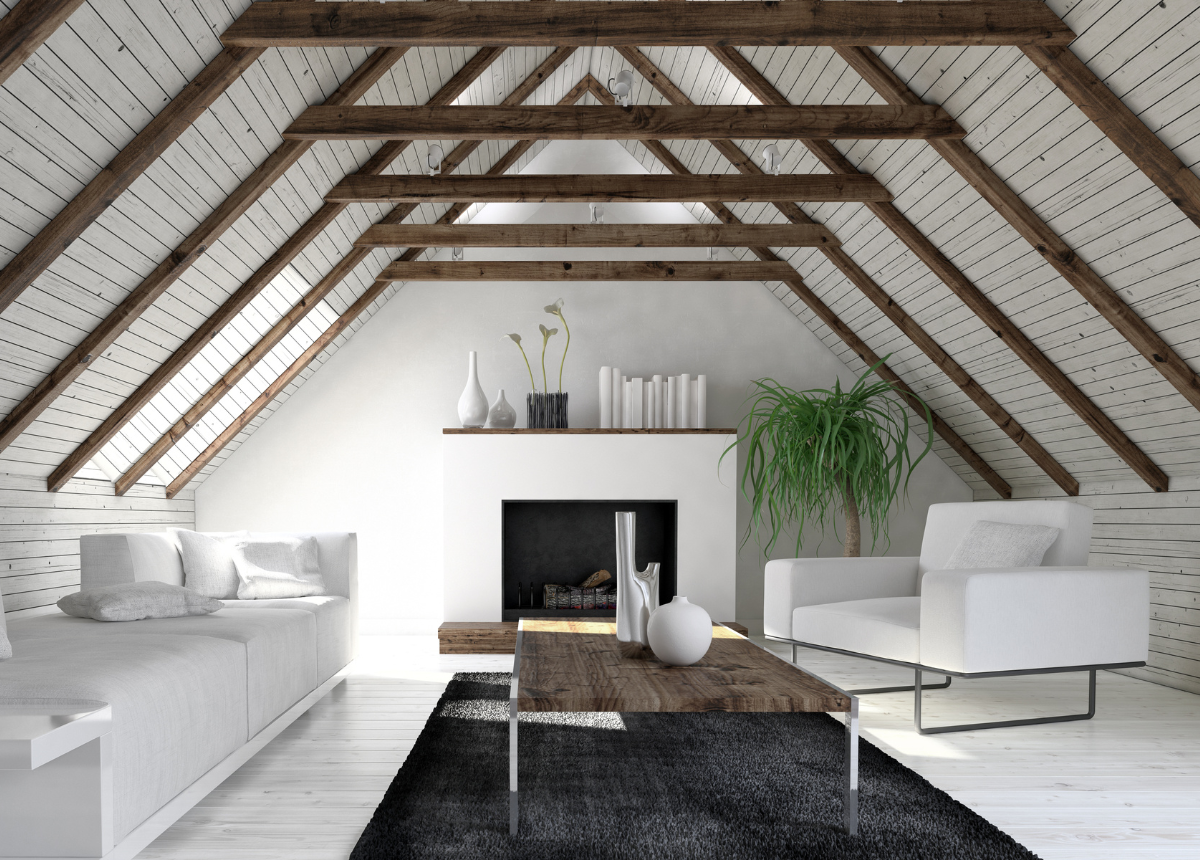
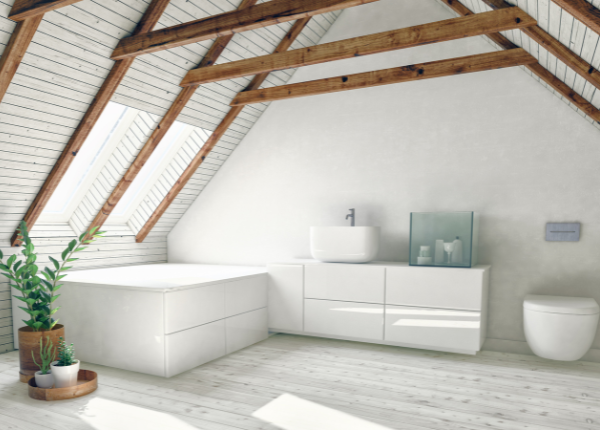
Our architectural team excels in creating custom loft conversions, including dormer, hip-to-gable, and mansard styles that transform underused attic spaces into functional and stylish living areas. Each loft conversion is meticulously designed to meet your specific requirements, ensuring the final space is a perfect realisation of your vision.
Our tailored designs take into account your project’s needs, budget, and aesthetic preferences, engaging you in the process to guarantee the outcome matches your expectations. With years of experience in loft conversions, we commit to delivering projects that are not only feasible and successful but also of the highest quality, providing excellent value without sacrificing excellence. Whether it’s integrating loft conversion stairs or adding a balcony, our focus is on enhancing your home’s functionality and appeal.
The types of loft conversions, including dormer, hip-to-gable, mansard, and others, offer varied architectural solutions to enhance your living space. Here’s an overview of the common variations:
Dormer Loft Conversions
- Straight Dormer – The most common type, extending vertically from the slope of the existing roof, creating additional headroom and floor space.
- L-shaped Dormer – Ideal for Victorian and Edwardian terraced houses, maximizing space by extending around the roof’s edge.
- Gable-fronted and Hipped Dormer – These add aesthetic interest and space, often chosen for their traditional appearance.
Hip-to-Gable Loft Conversions
- Standard Hip-to-Gable – Extends the side roof to create a vertical wall, increasing usable internal space and often combined with a rear dormer.
- Double Hip-to-Gable – Suitable for detached and semi-detached homes, converting both sides of a hipped roof to maximize space.
Mansard Loft Conversions
- Rear Mansard – Alters the structure of the sloped roof to an almost vertical 72-degree angle, expanding the available space significantly.
- Front Mansard – Less common due to planning restrictions but can be applied to the front of the house, offering substantial space and a complete change in roof design.
Other Types
- Velux or Rooflight Conversions – The simplest form, involving no external alterations beyond the installation of Velux windows, retaining the roof’s original shape.
- Loft Conversion with Balcony – Incorporating a balcony or terrace to create outdoor space, often part of a dormer or mansard conversion.
- Modular Loft Conversions – Pre-fabricated off-site and installed onto the existing roof to minimize construction time and disruption.
Each type of loft conversion offers unique benefits and considerations, tailored to your property’s structure and your personal requirements. With Envision Architectural, your loft conversion will not only increase space but also add value and character to your home, ensuring a seamless blend with the existing architecture.
- Affordability and Type Selection – Budget considerations will guide your choice of loft conversion. For example, a dormer loft conversion is often more budget-friendly compared to the more extensive mansard loft conversion.
- Planning and Compliance – Compliance with local planning regulations is essential. For example, mansard loft conversions may face stricter scrutiny due to their significant impact on the property’s external appearance.
- Building and Structural Integrity – The feasibility of your project depends on the existing structure’s strength. For example, adding a loft conversion with a balcony requires assessing the building’s ability to support the extra weight.
- Space Utilisation and Customisation – Efficient use of space is crucial. For example, a hip to gable loft conversion can offer the extra room needed for a comfortable bedroom or office space.
- Lighting and Ventilation – Adequate natural light and airflow are vital for a pleasant living environment. For example, installing Velux windows in a dormer loft conversion can brighten the space and improve ventilation.
- Neighbour Impact and Privacy – Consideration of neighbours is important, especially for extensions that may overlook adjacent properties. For example, planning a loft conversion with a balcony requires thoughtful placement to preserve privacy for both your home and your neighbours.
- Aesthetics and Harmony – The loft conversion should aesthetically blend with the existing house. For example, a mansard loft conversion often involves a significant alteration of the roofline and should harmonize with the building’s original style.
- Practicality and Access – Practical access to the new space is essential. For example, the design of loft conversion stairs should ensure they are not only safe and compliant with building regulations but also seamlessly integrated into the home’s layout.
Integrating New with Old
- Assess how the new conversion will blend with the current architectural elements of your home. The design should respect the building’s character while providing a functional new living space.
Plan Integration Points Carefully
- Ensure that elements like loft conversion stairs are seamlessly integrated, maintaining a flow that complements the existing structure and interior design.
Layout and Functionality
- Consider how the layout will serve your needs, possibly opting for an open-plan design or separate rooms, depending on the intended use of the converted loft.
Windows, Doors, and Natural Light
- Strategically place windows and doors to enhance the loft’s ambiance with natural light, while ensuring practical access and aesthetic appeal.
Exterior Design and Materials
- Choose materials and design features that align with the house’s existing style, ensuring the loft conversion looks cohesive from the outside and enhances the property’s appeal.
Addressing these considerations will result in a loft conversion that not only adds valuable space to your home but also enhances its functionality and aesthetic appeal, seamlessly blending with the existing structure and design.
Understanding the need for planning permission is a key step in your loft conversion extension project. Here’s how to navigate the process:
Do You Need Planning Permission?
In many cases, loft conversion in Manchester can be constructed under permitted development rights, meaning you might not need formal planning permission. This allowance depends on various factors, including the size and location of the extension.
Building Without Planning Permission
You can proceed with a loft conversion without planning permission if your project complies with the specified limits of permitted development. These guidelines typically cover aspects like the height and depth of the extension and its distance from property boundaries.
Size Limits Under Permitted Development
The permissible dimensions for an extension without planning permission are determined by regulations that consider the type of dwelling, its setting, and the proportion of land to be covered by the new structure.
When Planning Permission is Required
Projects that exceed the scope of permitted development must seek planning permission from the local authority, in this case, Manchester City Council. The application process requires submitting detailed plans that illustrate how the proposed extension will look and fit within the property.
Our Assistance with Planning
Our expertise in architectural design includes creating plans that adhere to permitted development rules and successfully obtaining planning permission when needed. We can manage the entire application process, from drafting the initial designs to submitting the required documents to Manchester City Council for example, ensuring that your extension has the best chance of approval. Click here for a quote
By understanding the specifics of planning permission and utilising our professional services, you can ensure that your loft conversion extension progresses smoothly and meets all legal requirements.
Building regulations ensure that your loft conversion extension is safe, structurally sound, and environmentally efficient. Here’s how we manage the compliance process
- Our architectural plans are meticulously detailed to align with the latest approved building regulations, covering structural aspects like foundations, walls, roofs, insulation, and fire safety.
- We specify the necessary construction details, including drainage systems, materials, and methods. Our specifications guarantee the use of suitable materials and adherence to British standards, ensuring the build’s quality and safety.
- We coordinate with third-party experts such as structural engineers, integrating their designs and calculations for a comprehensive and compliant plan set, ready for approval.
- You can choose to use local authority building control or private building inspectors to oversee the regulatory compliance of your project.
- Our service includes creating detailed building regulations plans and specifications that address crucial aspects like structural integrity, sound insulation, access, drainage, energy efficiency, ventilation, and emergency escape routes.
- We submit these plans for a full plan check, amending as necessary to meet the strict requirements of building regulations. Once approved, these plans establish the construction and inspection standards for your extension.
- The approved plans guide the construction process and serve as a detailed reference for obtaining accurate quotations from builders.
This approach ensures every aspect of your loft conversion extension is designed and constructed to meet rigorous standards, providing peace of mind and a quality addition to your home.
How we work
Your Journey with Envision – From Concept to Completion
- Initial Assessment & Design – After your enquiry Envision starts with a comprehensive survey and personalised design meeting to shape your vision into a detailed plan.
- Planning & Approval – We finalise your design and manage the entire planning process, ensuring smooth approval from local authorities.
- Building Regulations & Detailed Planning – After obtaining planning permission, Envision creates detailed building regulation drawings, ensuring full compliance and approval.
- Construction & Completion – (We oversee the construction phase (If needed), coordinating with our trusted builders and Building Control to deliver your project flawlessly.
Our streamlined architectural process includes initial consultation, detailed site surveys, custom design planning, regulatory compliance, and full project management, ensuring a tailored, high-quality extension from start to finish
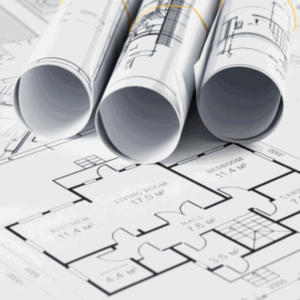
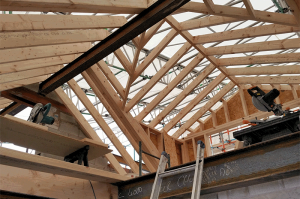
Bespoke Design
Tailored designs that transform your unique vision into stylish and functional living spaces.
Client-Centric Process
Working closely with you to craft designs and plans that perfectly align with your aspirations and lifestyle.
Quality and Affordability
Delivering high-quality builds at competitive prices, ensuring your investment is well-spent.
CASE STUDIES
Explore our case studies
Explore finished projects from some of our customers and see how they created their dream home while getting ideas for your own.


Our Clients
Here's what our satisfied clients are saying...
Kitchen Extension - Rotherham
Envision transformed my home with a kitchen extension. The design is flawless, blending perfectly. The craftsmanship is brilliant, and the builders were professional and efficient. I'm constantly asked who made this possible. Truly exceptional service from start to finish!
Mrs Johnston
CONSERVATORY DRAWING PLANS - MANCHESTER
The designs for my conservatory were great, they worked closely with me to get the job done, leading to a fantastic addition to my home. The fair price and quick turnaround were also highly appreciated
Mr Bishop